

Tokyo is one of the easiest big cities in the world to visit with children: it's safe, spotless, runs on time, and somehow fits ancient temples, neon arcades and two of the best Disney parks anywhere into one trip. We spent a week there as a family of four, and this guide is the plan we'd hand to friends, built on what actually worked for us (and what we'd do differently).
It's based on our trip, which you can read day by day in A week in Tokyo exploring temples, shopping, Disney parks, and culture, and on our stay at Hilton Tokyo Bay. We've added the practical things we wish we'd known before we went, from flights to tickets, and ideas for if you have longer. Prices and rules change, so anything with a price is marked with when we checked it.
The plan at a glance
Arrival evening: settle in and keep it easy. Day 1: Asakusa and Akihabara. Day 2: Tokyo Disneyland. Day 3: Meiji Jingu, Harajuku and Shibuya. Day 4: teamLab Borderless and Odaiba. Day 5: a free day for shopping and favourites. Day 6: Tokyo DisneySea. Day 7: fly home.
Two things make this order work. Putting a city day between the two Disney days stops little legs (and big ones) running out of steam, and grouping each city day by area means you're exploring rather than sitting on trains. If you can, move the Disney days around so neither lands on a weekend or a Japanese public holiday.
Where to stay: by Disney or in the city?
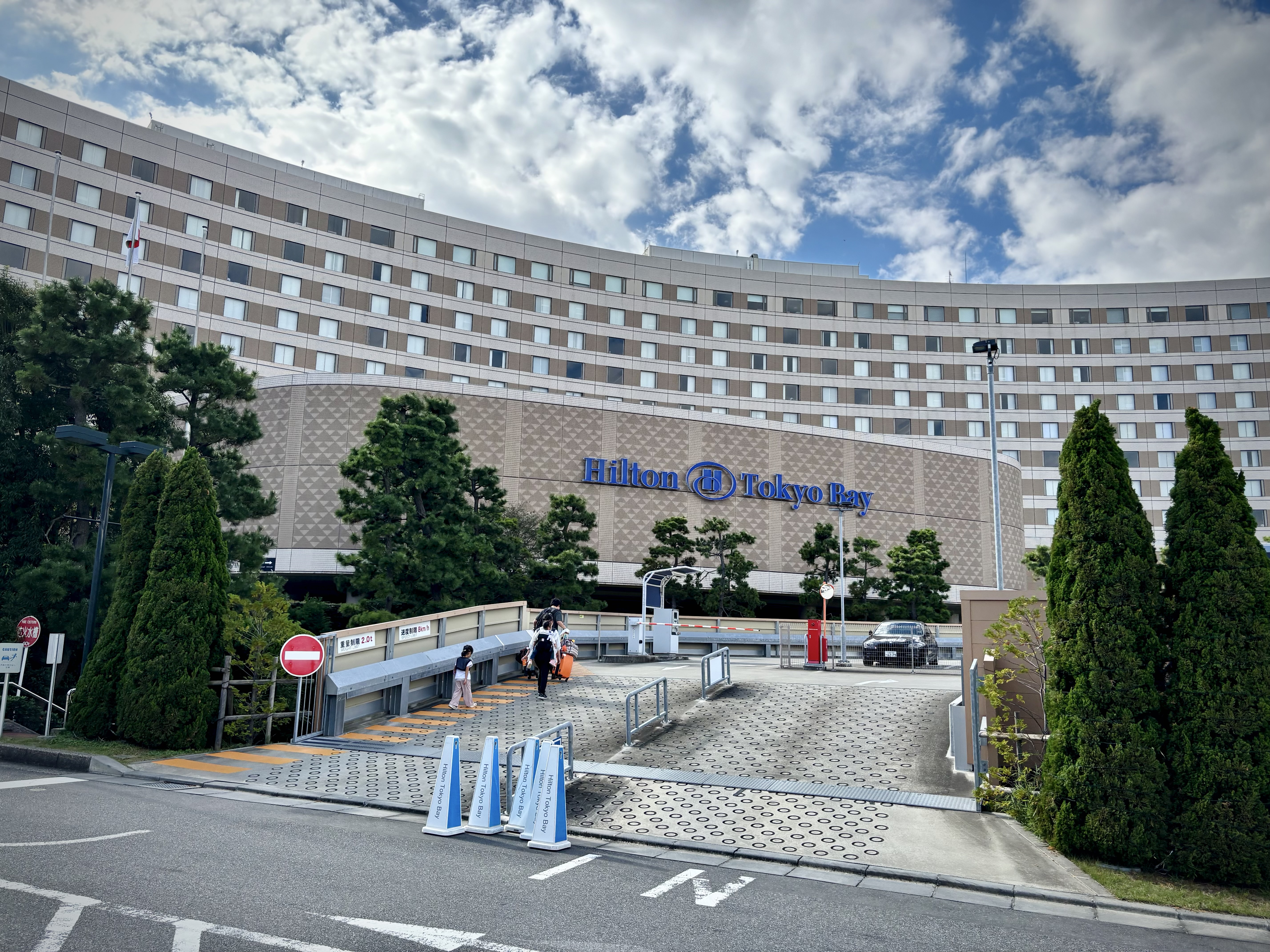
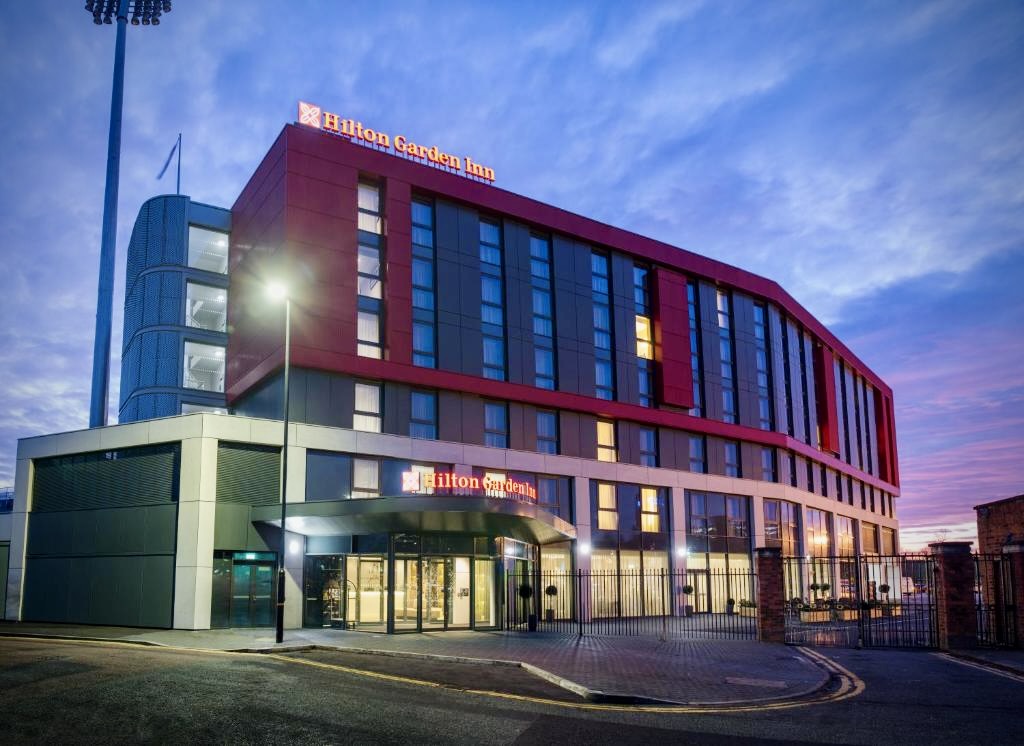
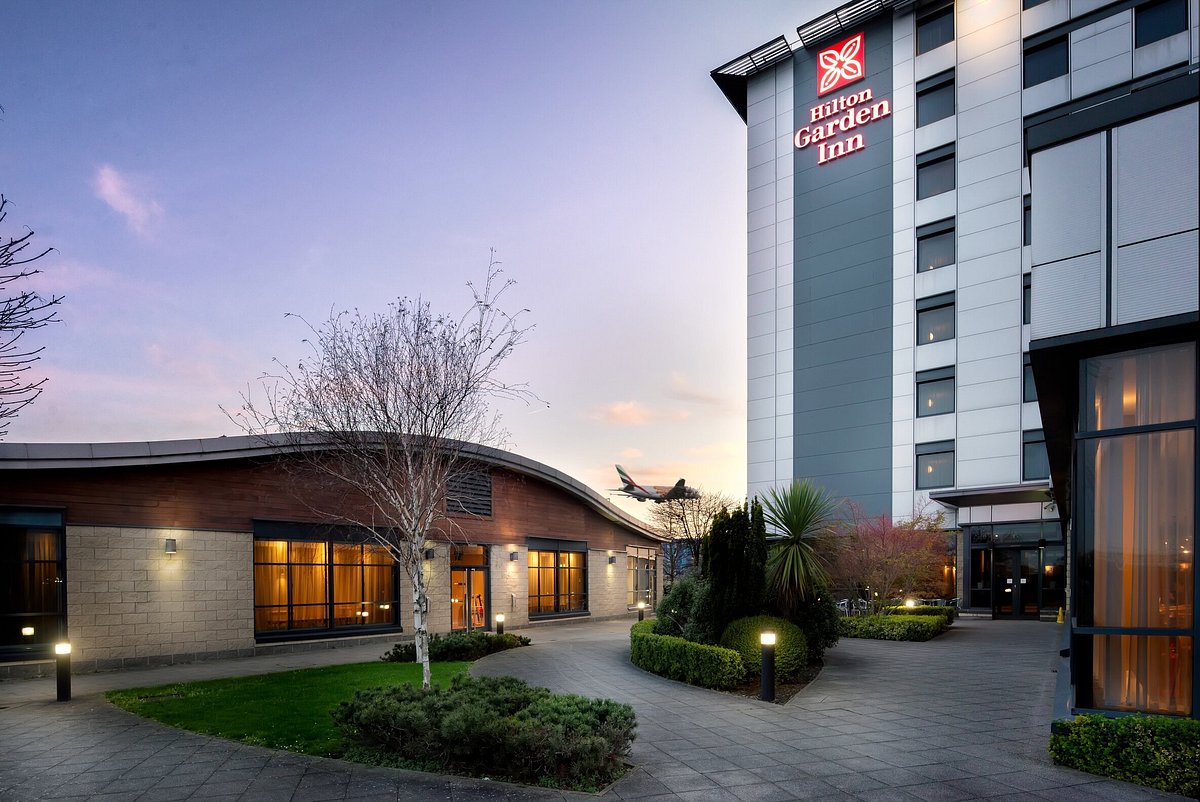
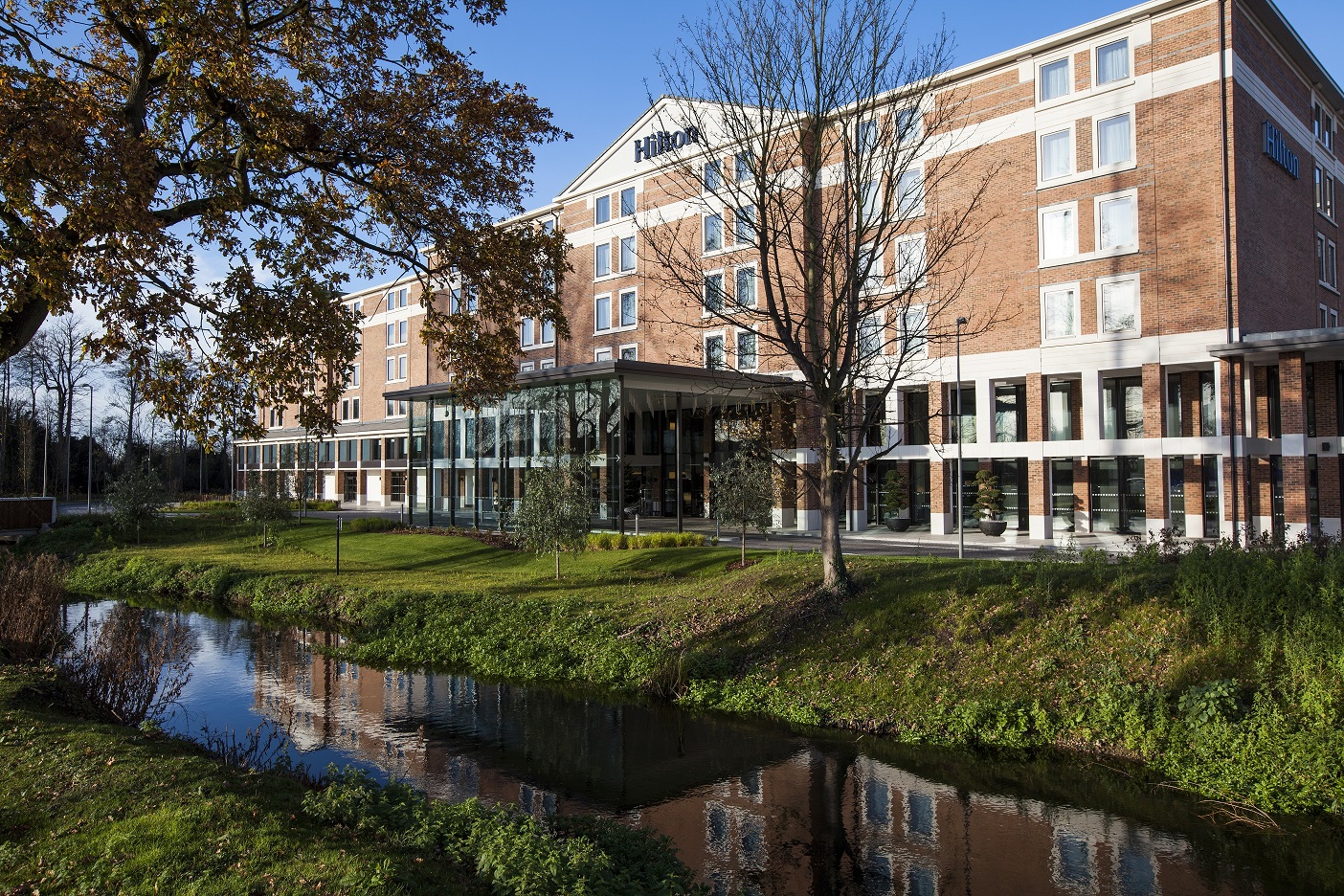
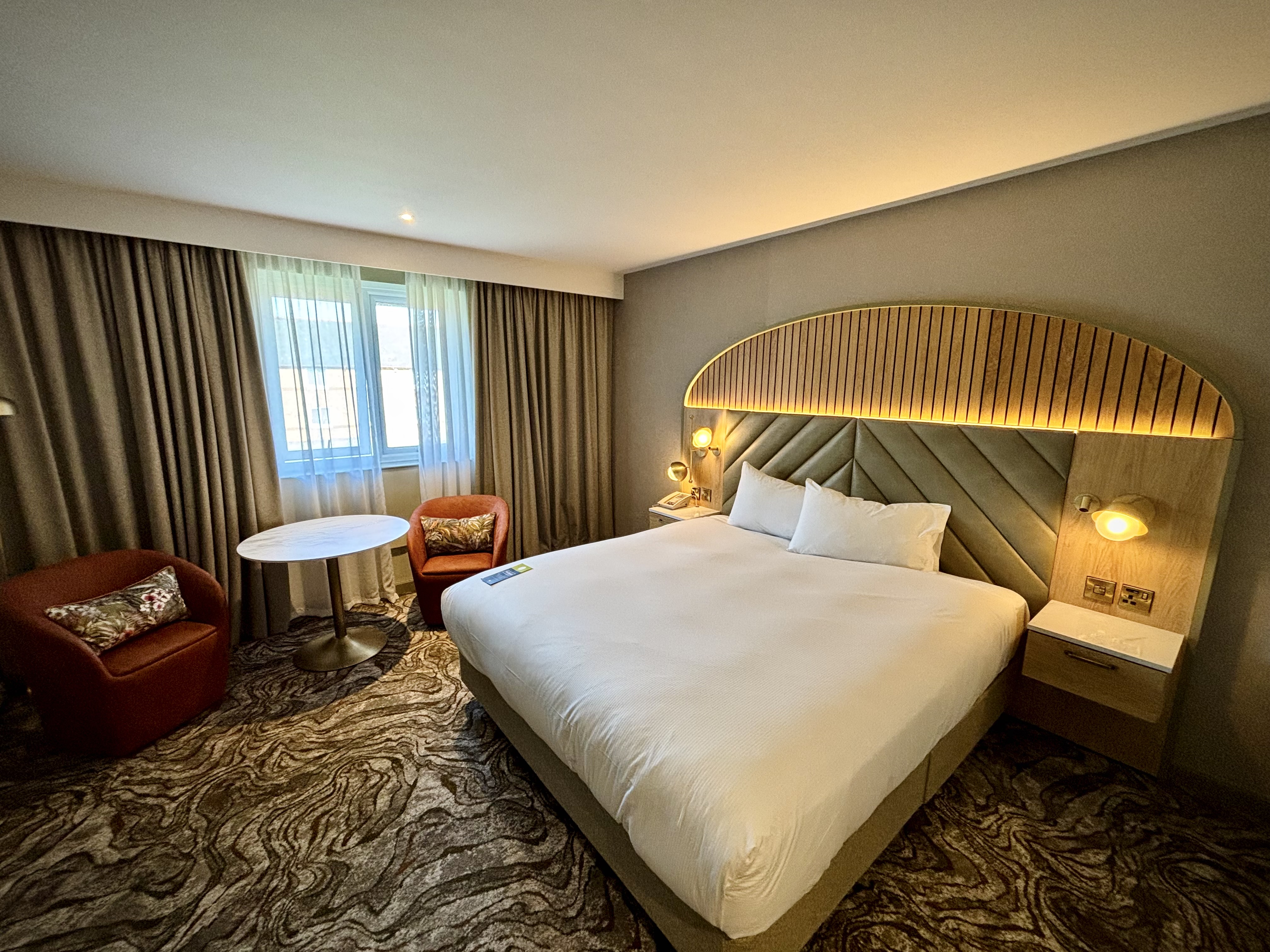
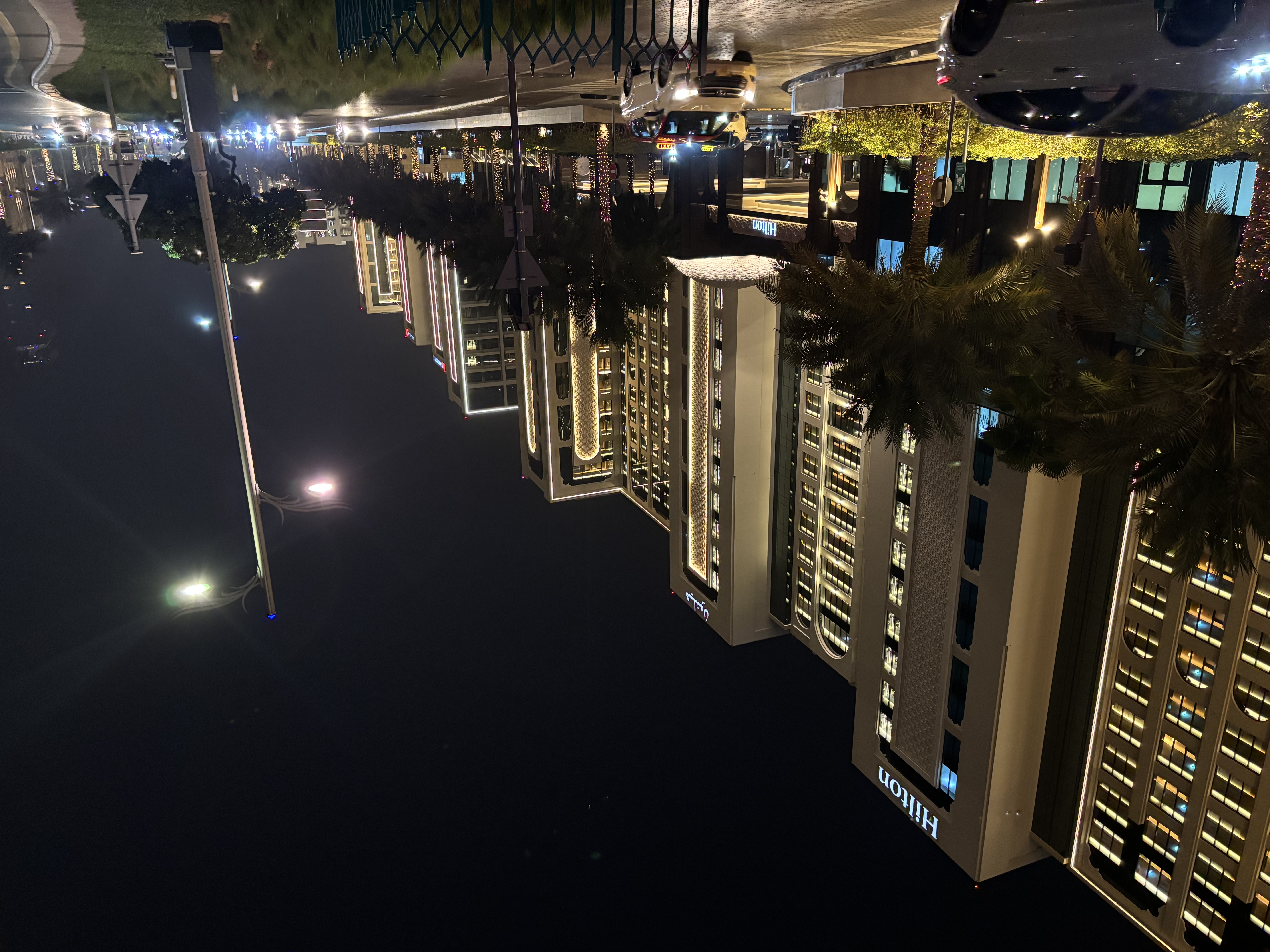
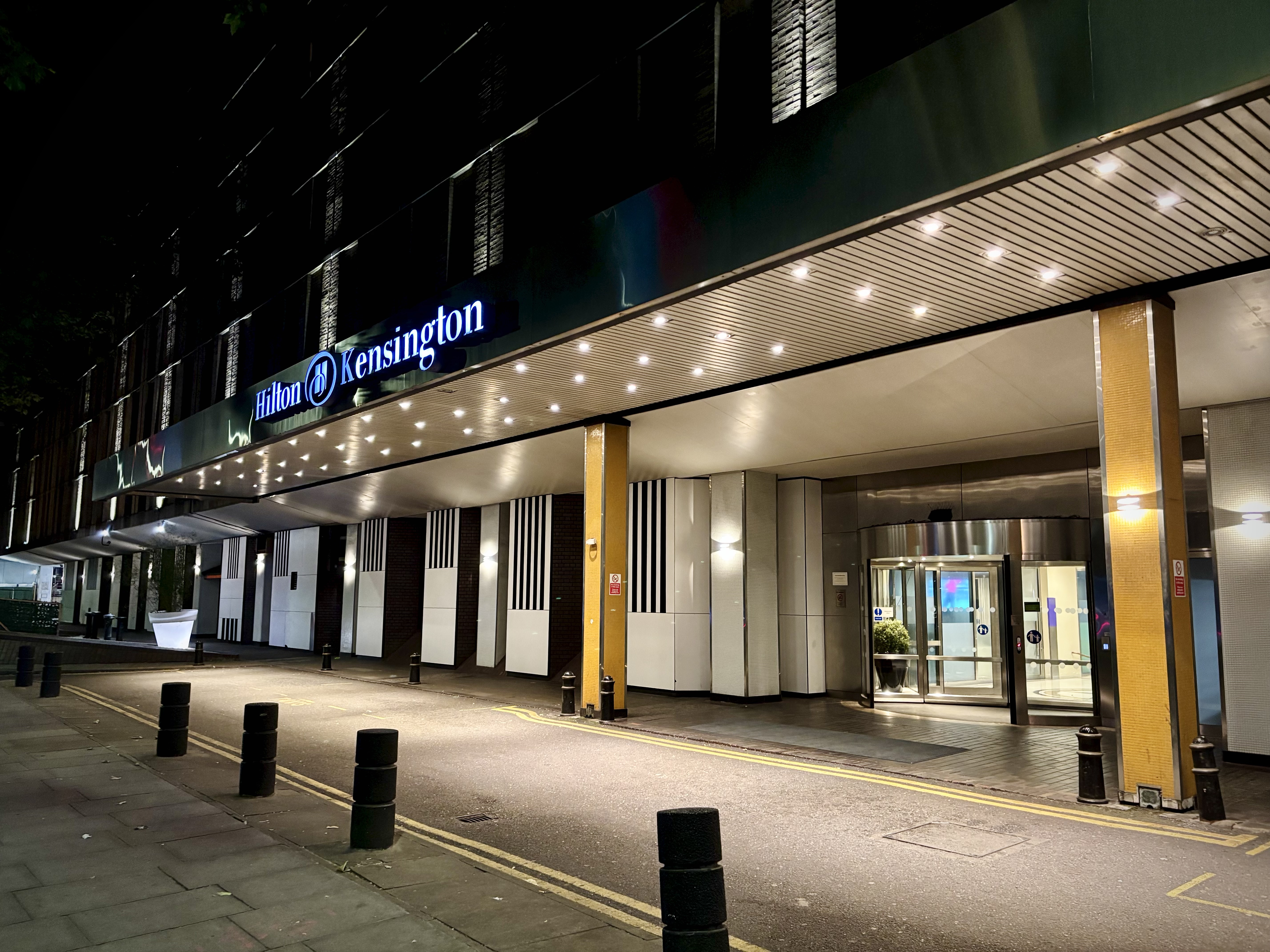
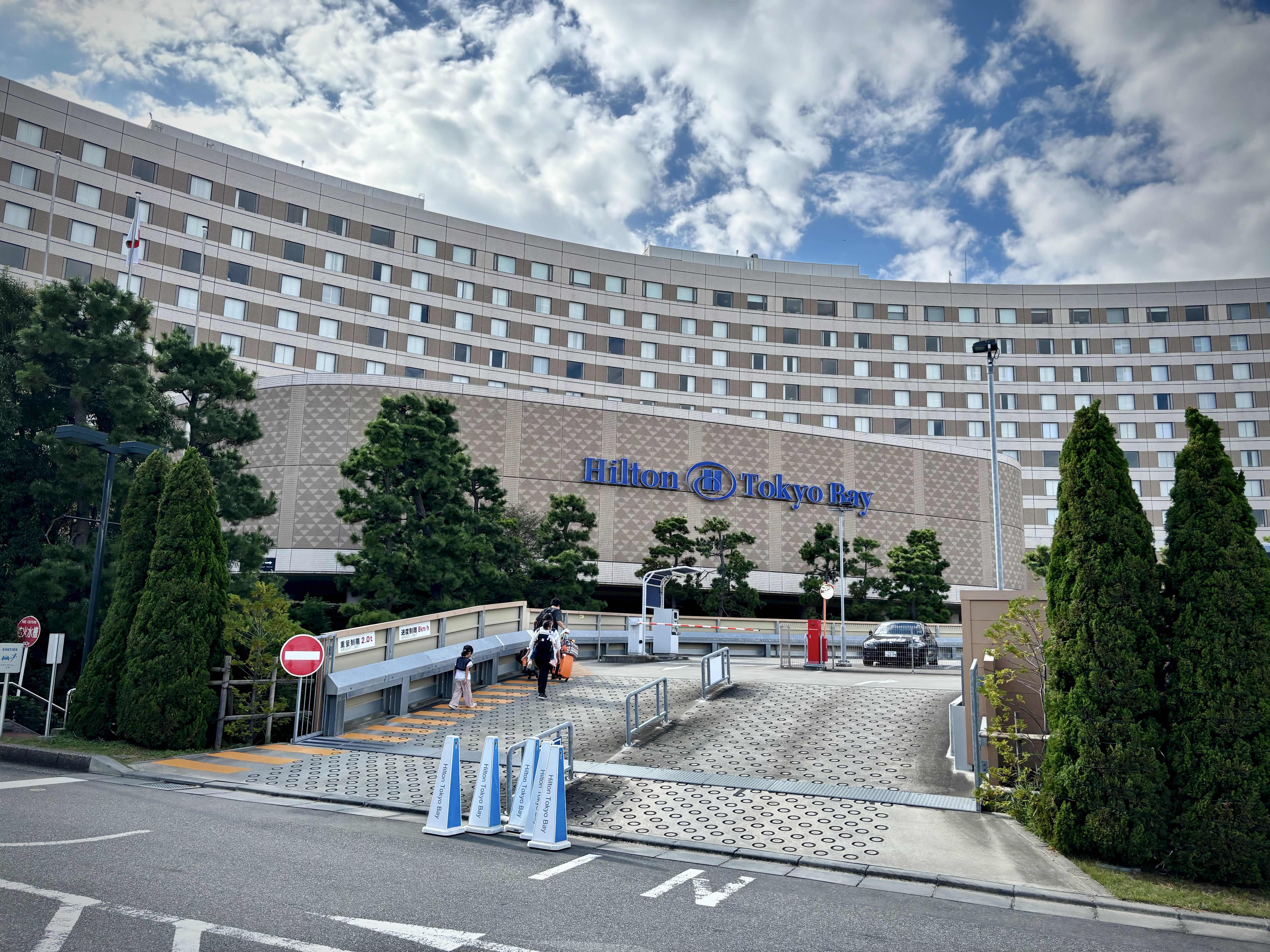
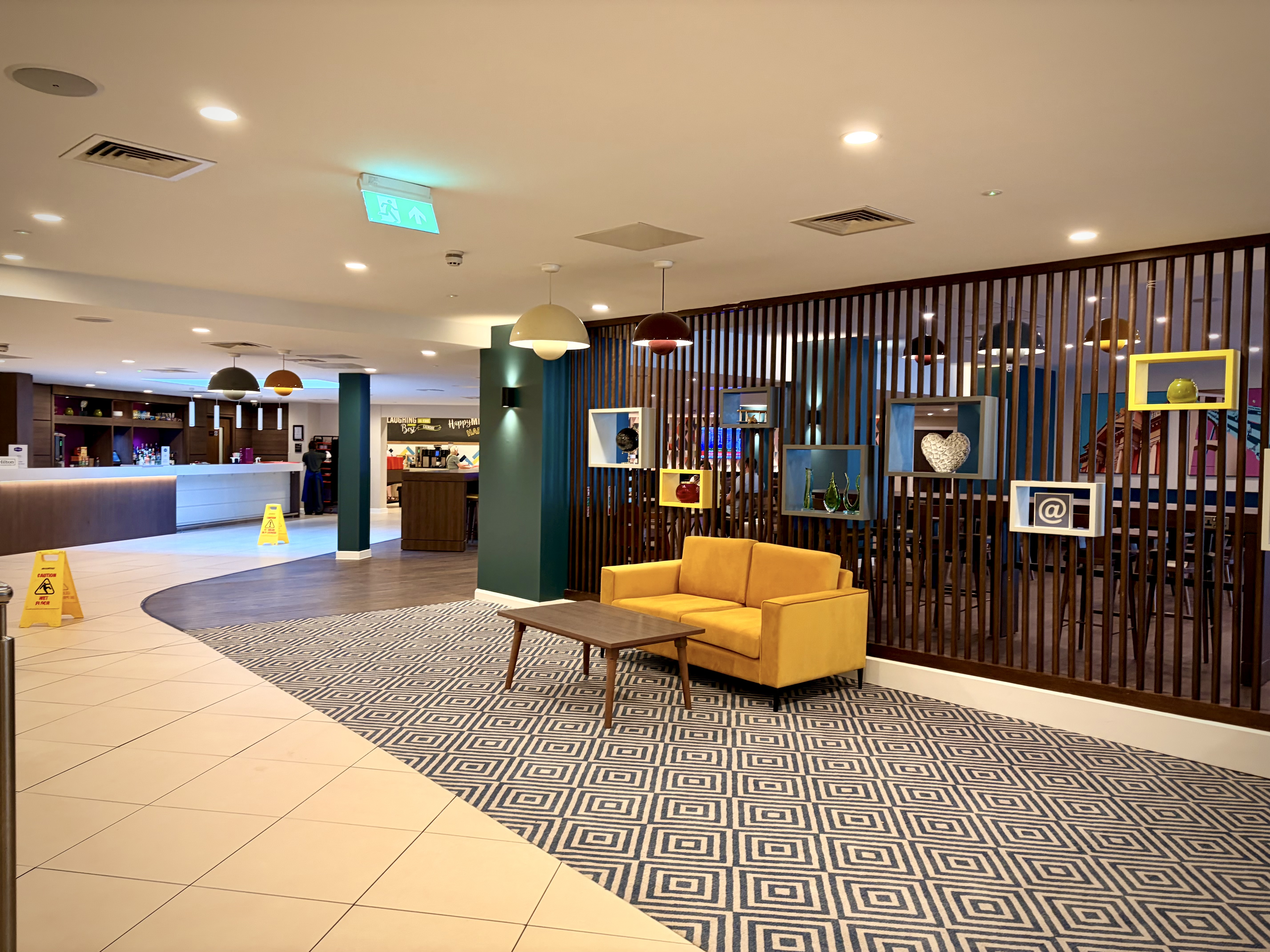
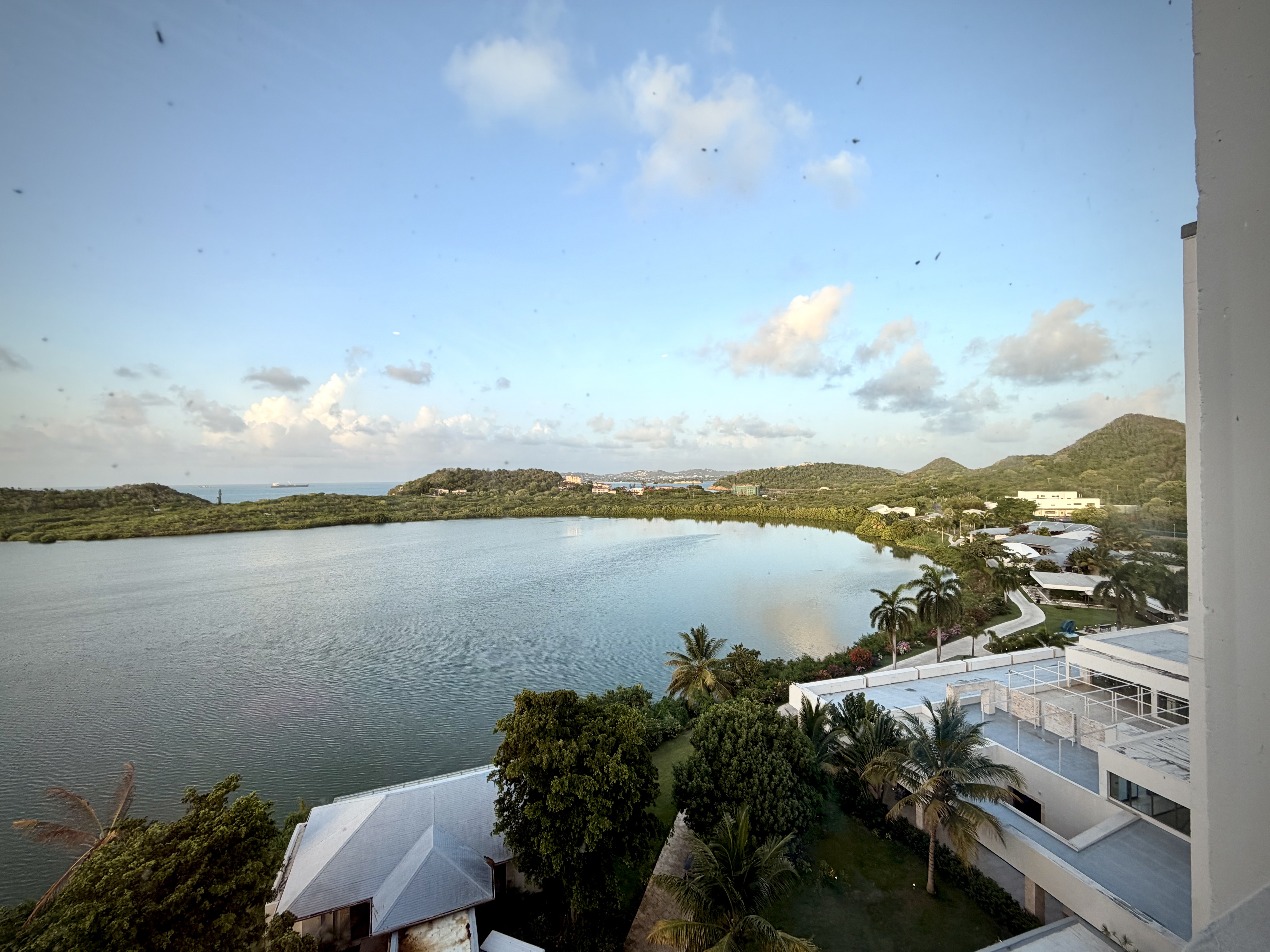
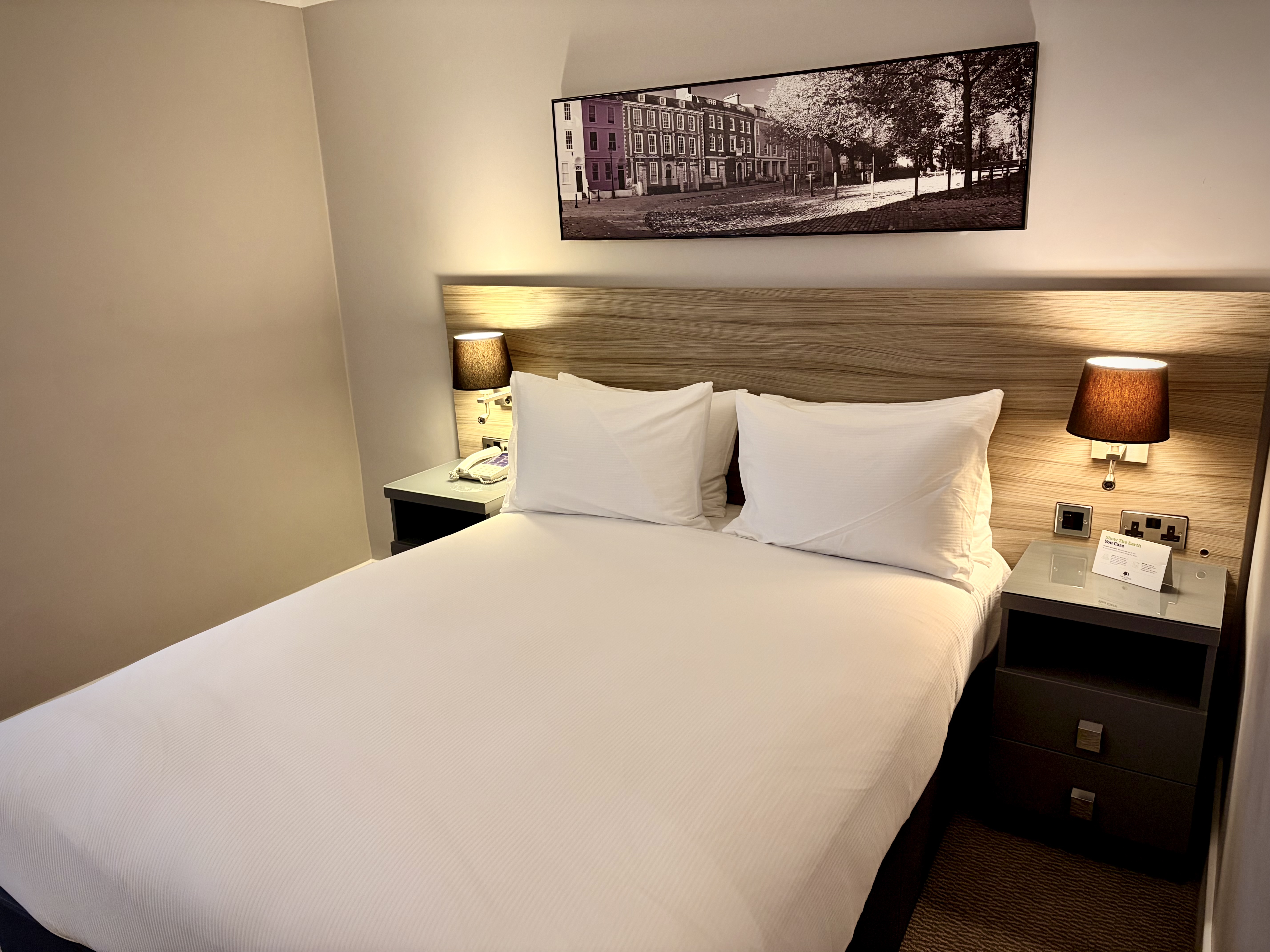
We stayed at Hilton Tokyo Bay in Maihama, one of the official Tokyo Disney Resort hotels. The Disney Resort Line monorail stops right outside, so on park days we were at the gates within minutes and could pop back for a rest. The trade-off is that central Tokyo is about an hour away by train. We made that work by leaving in the morning, spending a full day in one area and coming back in the evening, and it never felt like a chore.
If Disney is the main reason for your trip, staying by the parks is worth it, especially with younger children. If you're doing just one Disney day, a hotel in the city (Shinjuku, Shibuya or Ginza are easy bases) will save you time, and you can reach the parks by train in under an hour. Read our full Hilton Tokyo Bay review for the room, the executive lounge and the commute.
Flying to Tokyo from the UK
We flew British Airways from Heathrow, which flies nonstop to Haneda, the airport closest to central Tokyo (ANA and JAL fly the same route). Expect around 13½ to 14 hours on the way out and closer to 15 hours coming home, when you're flying against the winds. Haneda is much handier than Narita, which is over an hour further out, so it's worth paying attention to which airport you're booking.
Japan is 9 hours ahead of the UK in winter and 8 hours ahead during British Summer Time, so jet lag is real, especially for children. Book seats together as early as you can, load tablets with films and games before you go, and plan nothing more than a gentle first evening. We kept ours to a stroll and dinner, and it set us up well for the week.
Getting from the airport and around Tokyo
From Haneda we took a taxi straight to our hotel by Tokyo Disney Resort, which took about 30 to 40 minutes. With luggage, tired children and a long flight behind us, it was money well spent. If you're staying in the city, the airport trains and limousine buses are cheaper and easy to use.
For everything else, use the trains and get an IC card: you tap in and out instead of buying tickets, and it works in convenience stores and vending machines too. If you have an iPhone, you can add a Suica card to Apple Wallet before you fly. Otherwise, the Welcome Suica card for visitors is sold at Haneda's airport stations (expect a queue at busy times). Children's fares are cheaper, so ask about a child card at a station counter.
Try to avoid the trains between about 7:30 and 9:30am on weekdays, when commuter crowds are at their peak. Stations have lifts, but routes with a buggy can be long, so a lightweight one that folds quickly is a good idea.
Day 1: Asakusa and Akihabara
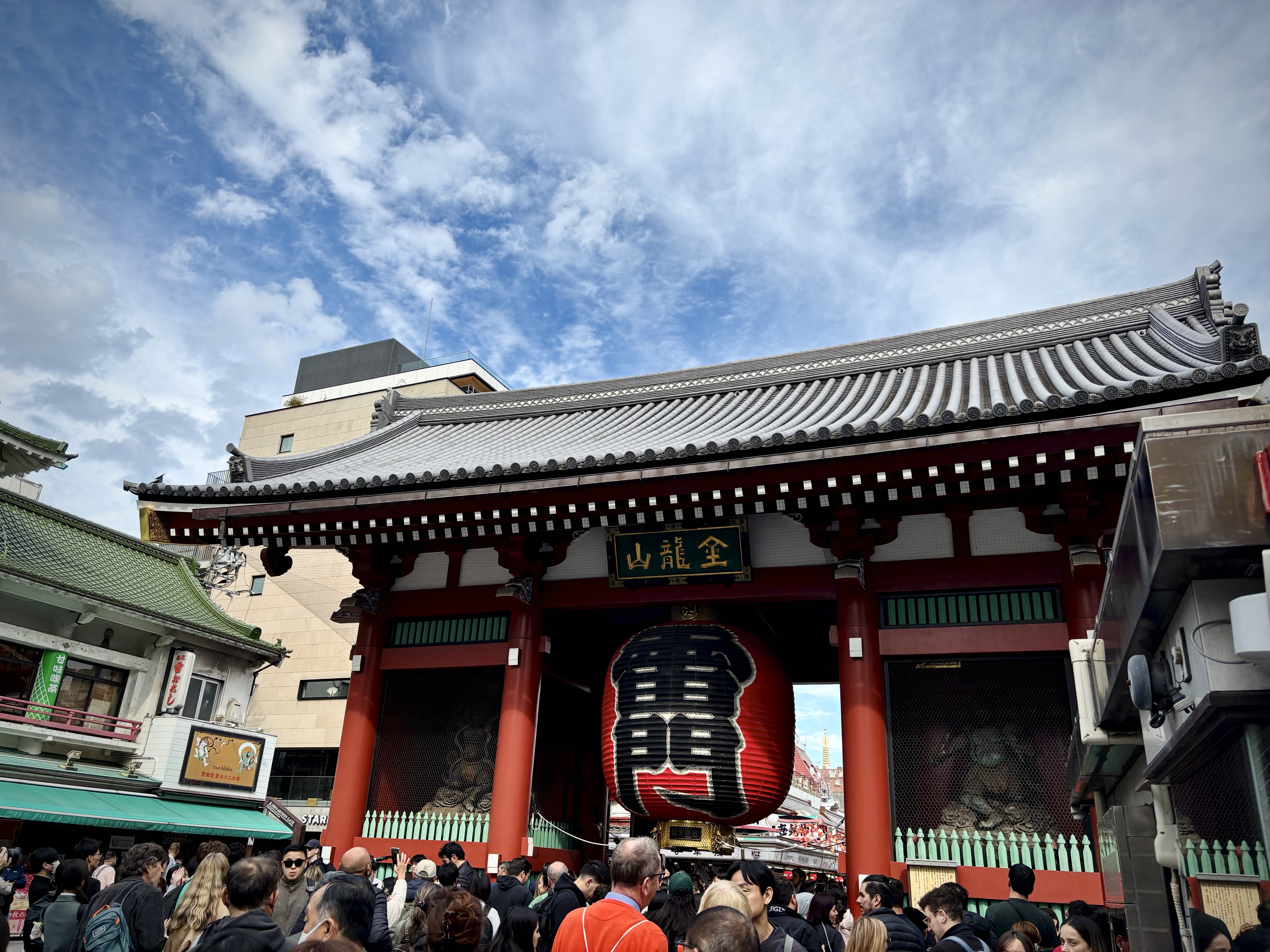
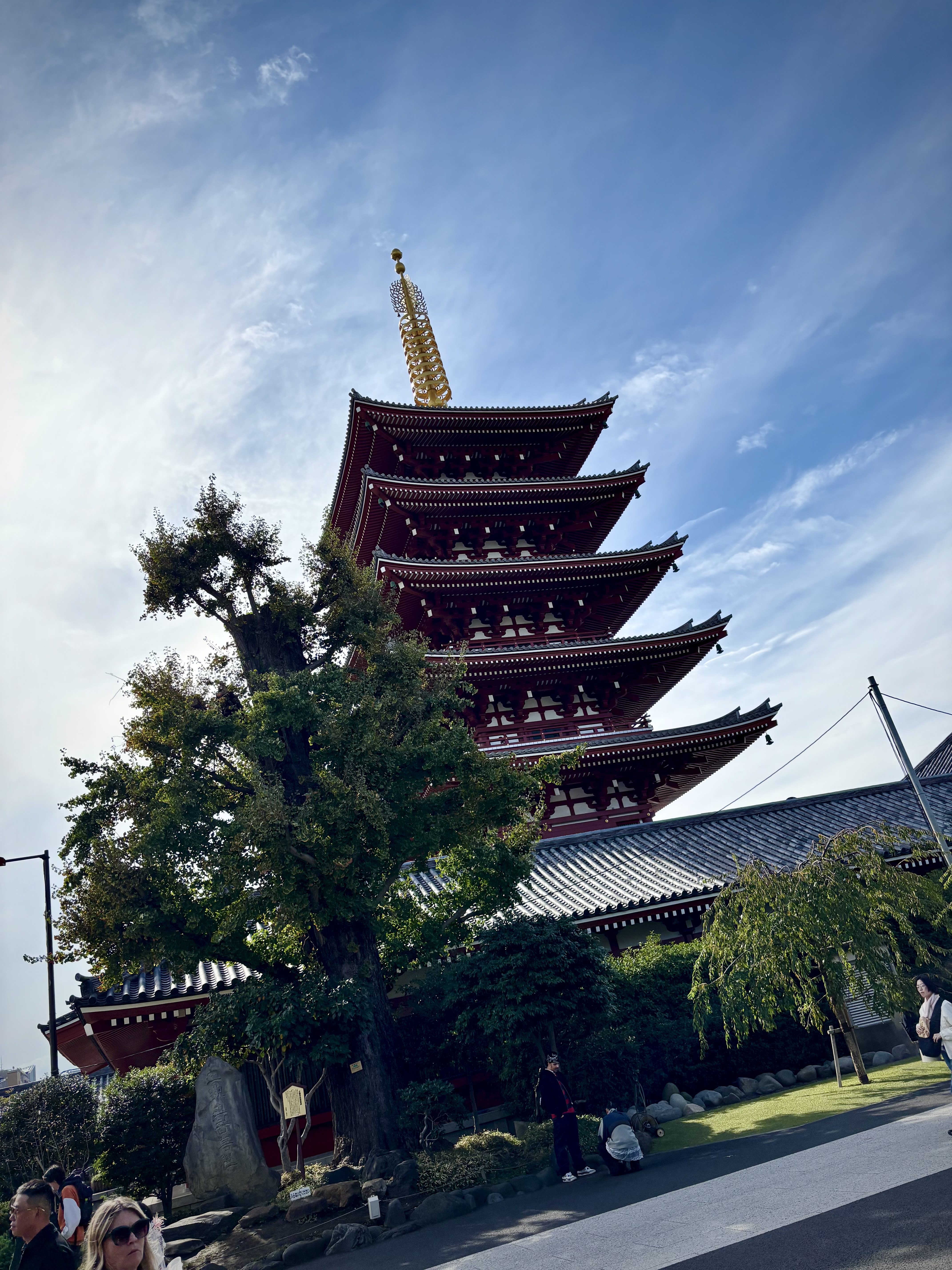
Start with Tokyo's traditional side at Senso-ji in Asakusa, the city's oldest temple. You walk in through the huge red Kaminarimon gate and along Nakamise, a street of stalls selling snacks and souvenirs. Entry to the temple is free; it gets very busy by late morning, so go early if you can.
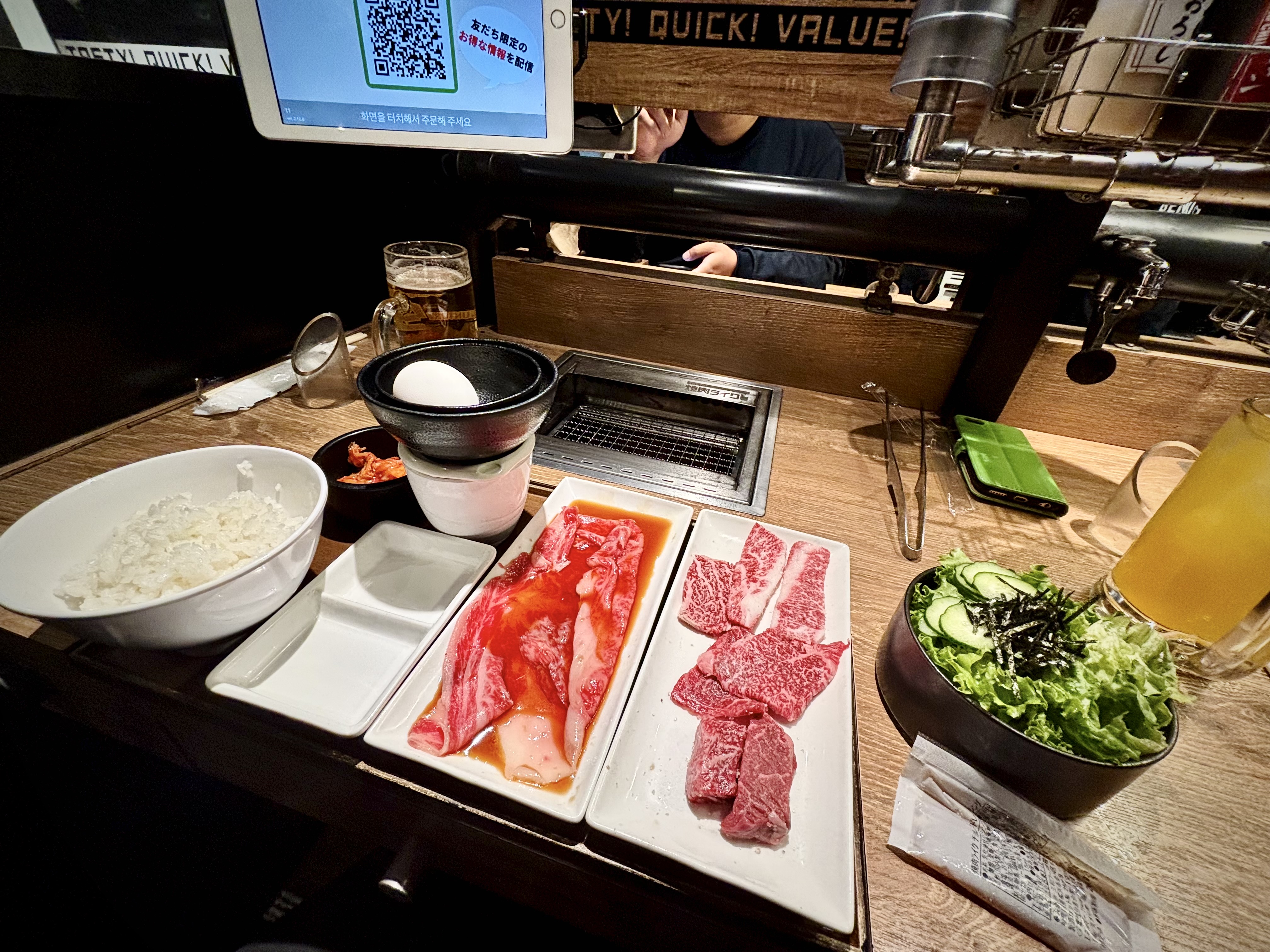
From there it's an easy trip to Akihabara, "Electric Town". The jump from incense and temple bells to neon, arcades and towers of anime and gaming shops is half the fun. Our kids spent a happy hour hunting for Pokémon cards. For dinner we found a yakiniku restaurant, where you grill the meat yourself at the table; it was a hit with everyone and a fun first-night meal.
Day 2: Tokyo Disneyland
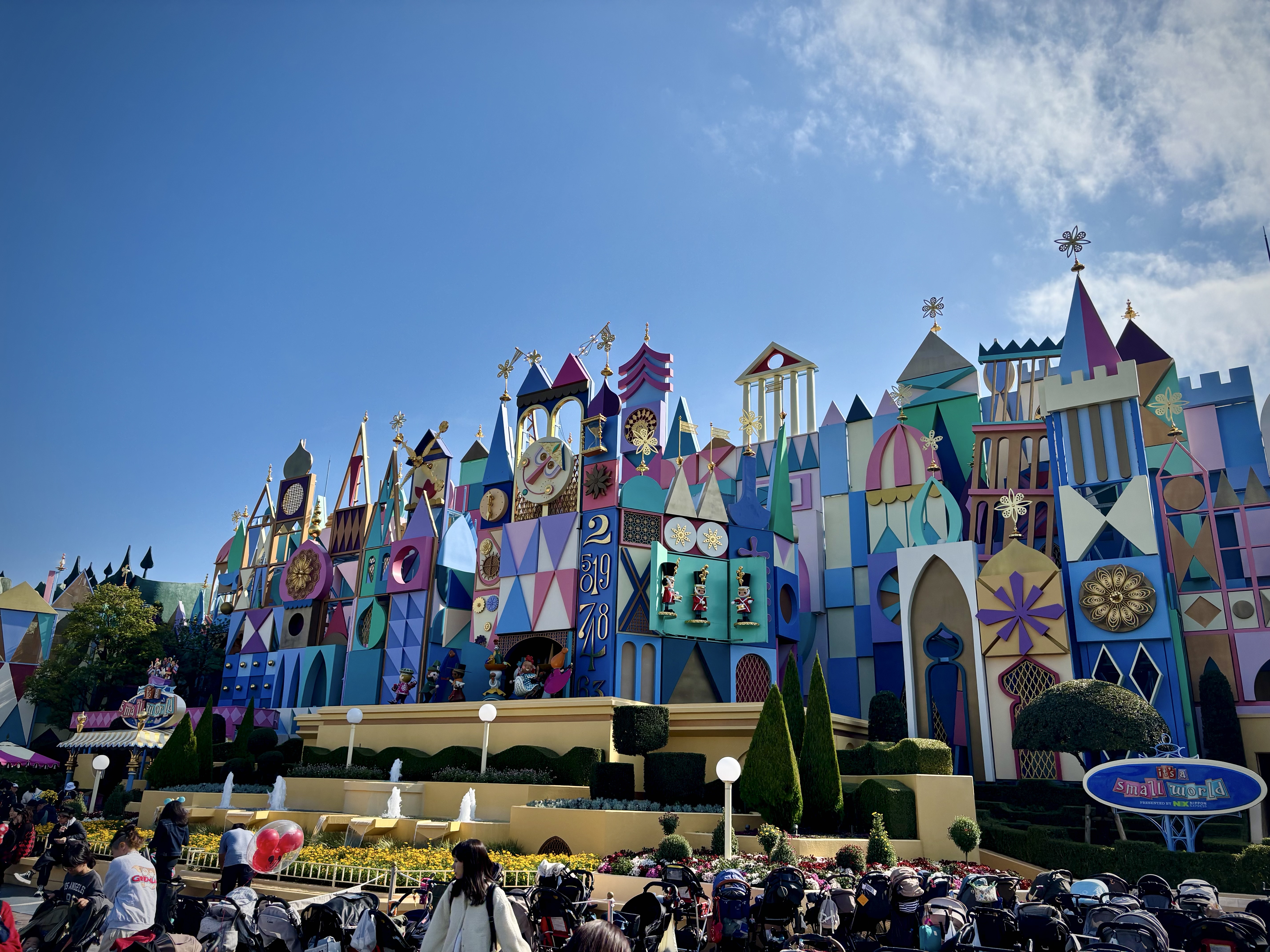
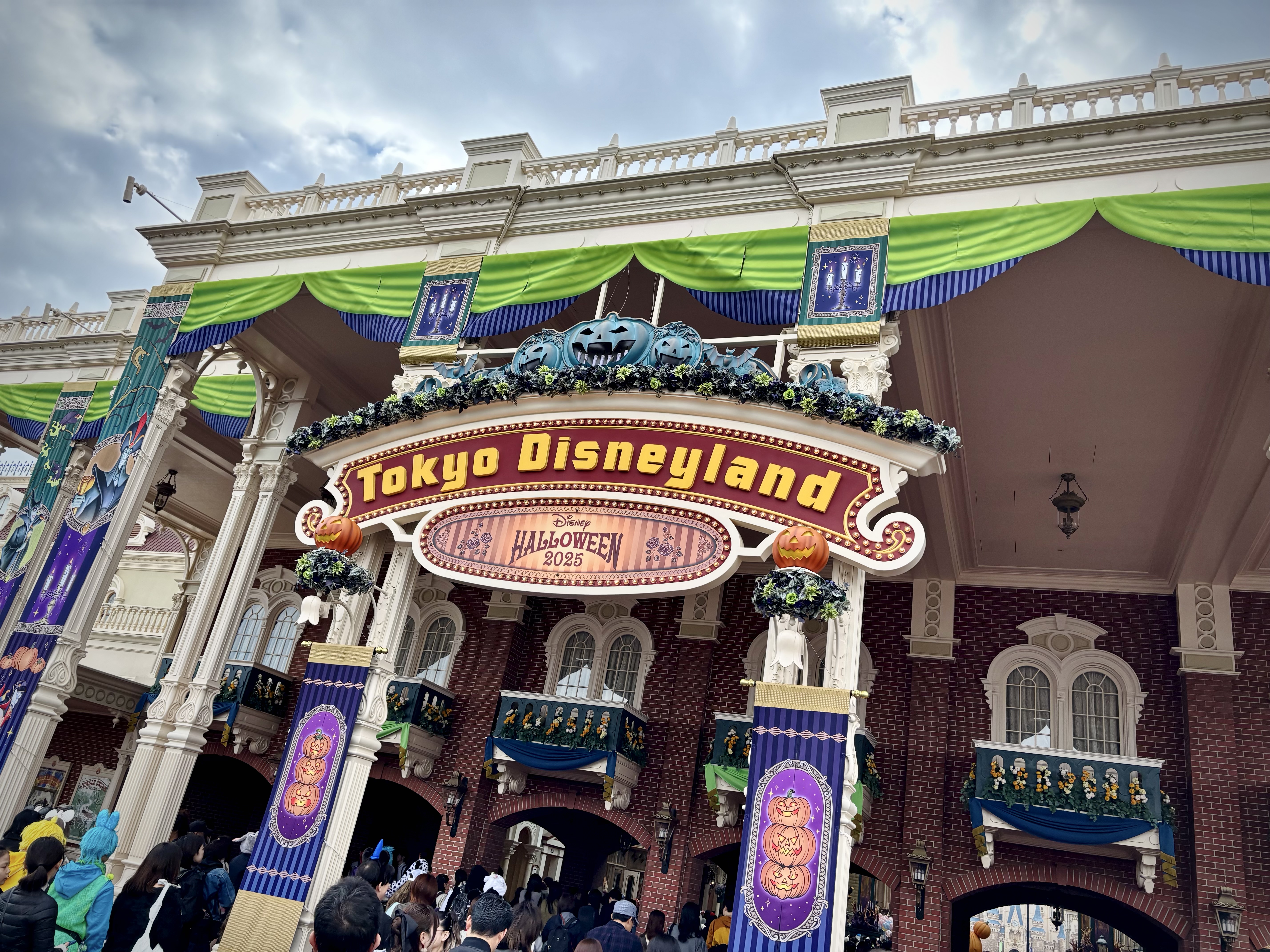
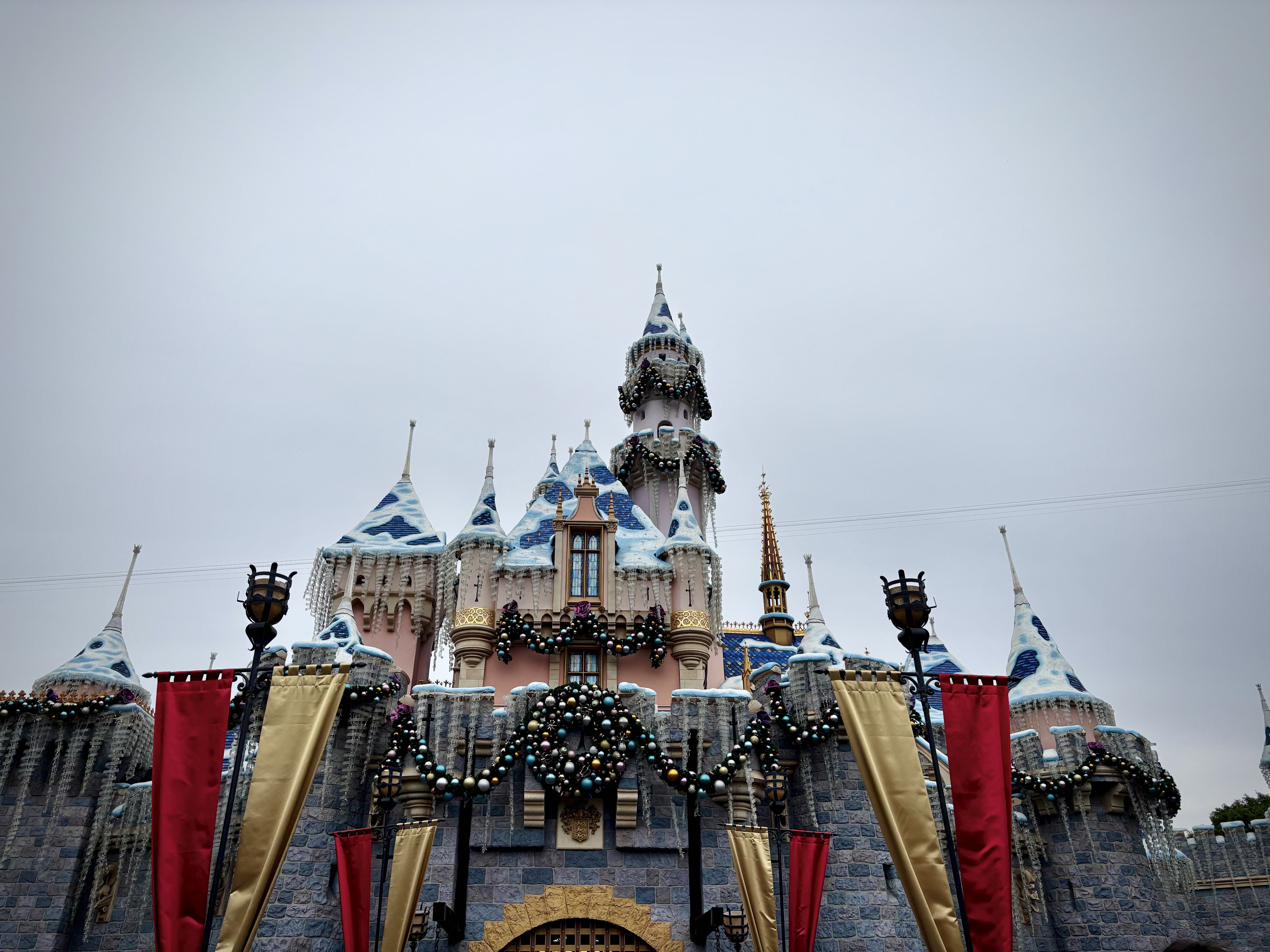
Tokyo Disneyland felt both familiar and different: the classic castle park, but with famously polite crowds, spotless queues and treats you won't find anywhere else. The park wasn't too busy on the day we went, and the standout for us was the Beauty and the Beast ride, one of the best Disney attractions we've done anywhere.
We went in late October, when the park was dressed for Halloween, which made it extra special. Spend the evening at Ikspiari, the shopping and dining centre next to Maihama station, if you have energy left.
Day 3: Meiji Jingu, Harajuku and Shibuya
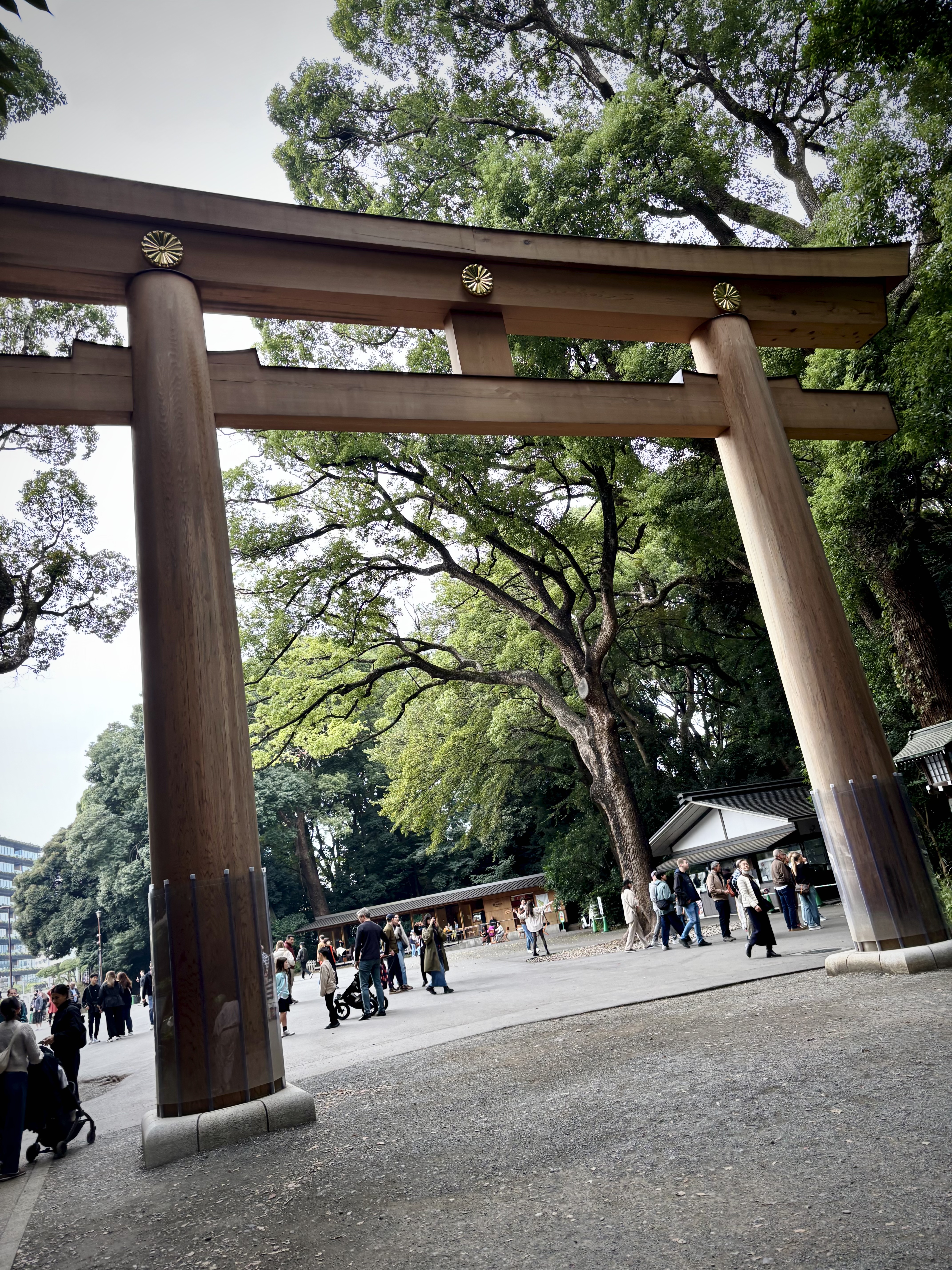
Begin at Meiji Jingu, a Shinto shrine set in a forest right in the middle of the city. You walk under giant wooden torii gates along wide gravel paths, and it's calm and free to visit, a nice contrast to what comes next.
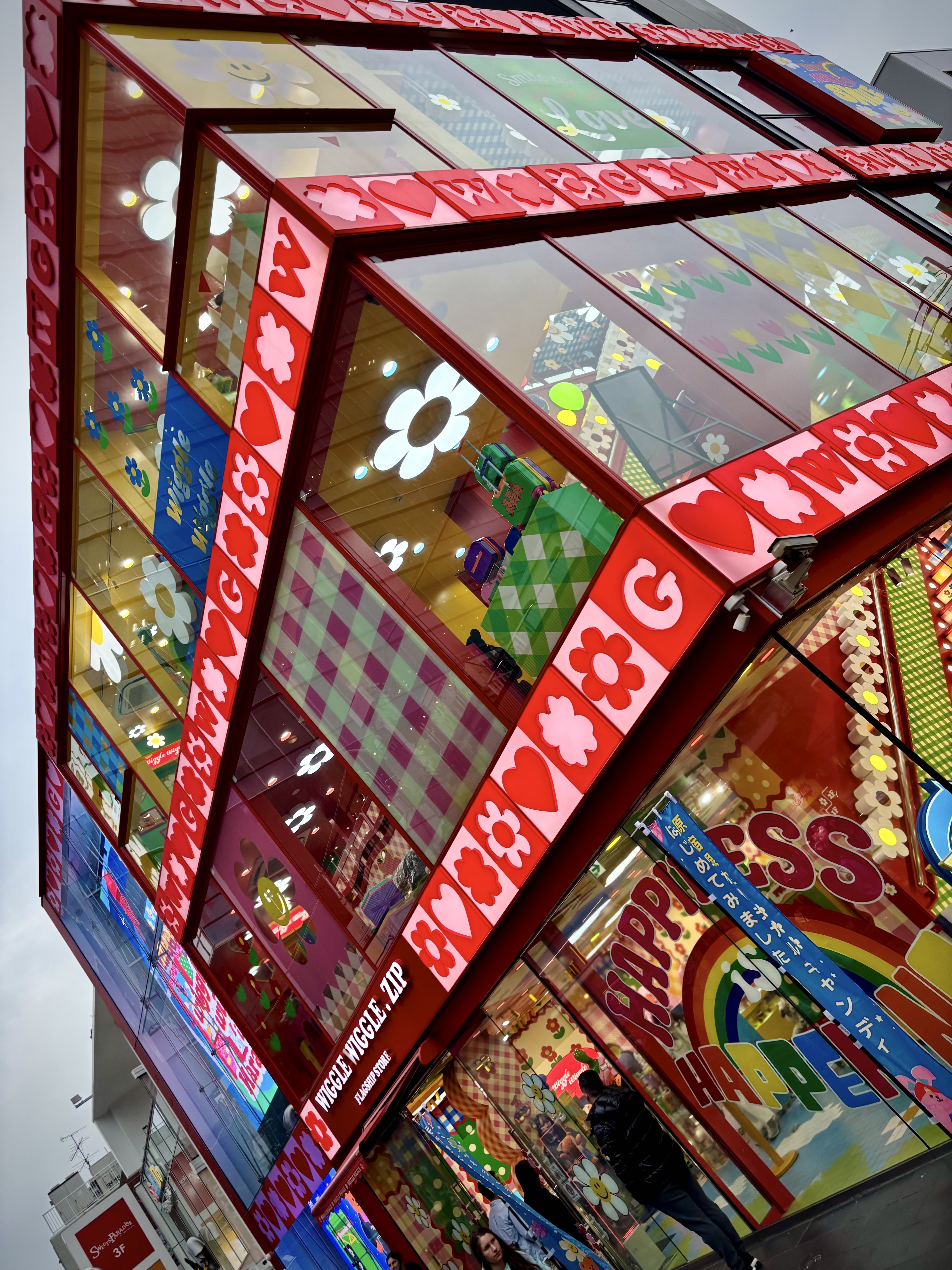
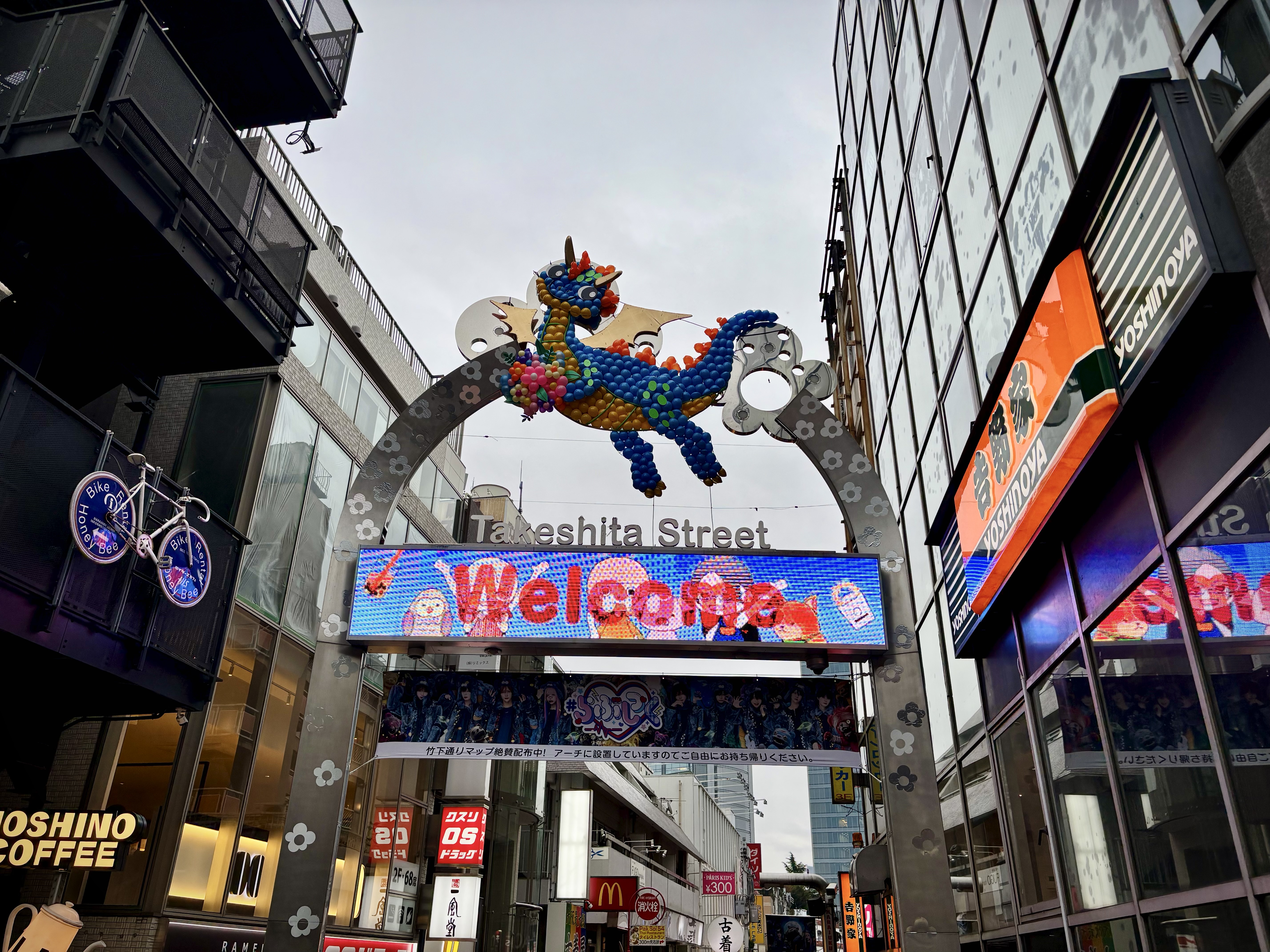
Next door in Harajuku, Takeshita Street is a narrow, crowded lane of quirky fashion, rainbow sweets and fun shops that children love. Keep walking downhill and you'll end up in Shibuya, with its famous crossing, department stores and endless shopping. It's an easy, mostly walkable day that shows you Tokyo's old and new side by side.
Day 4: teamLab Borderless and Odaiba
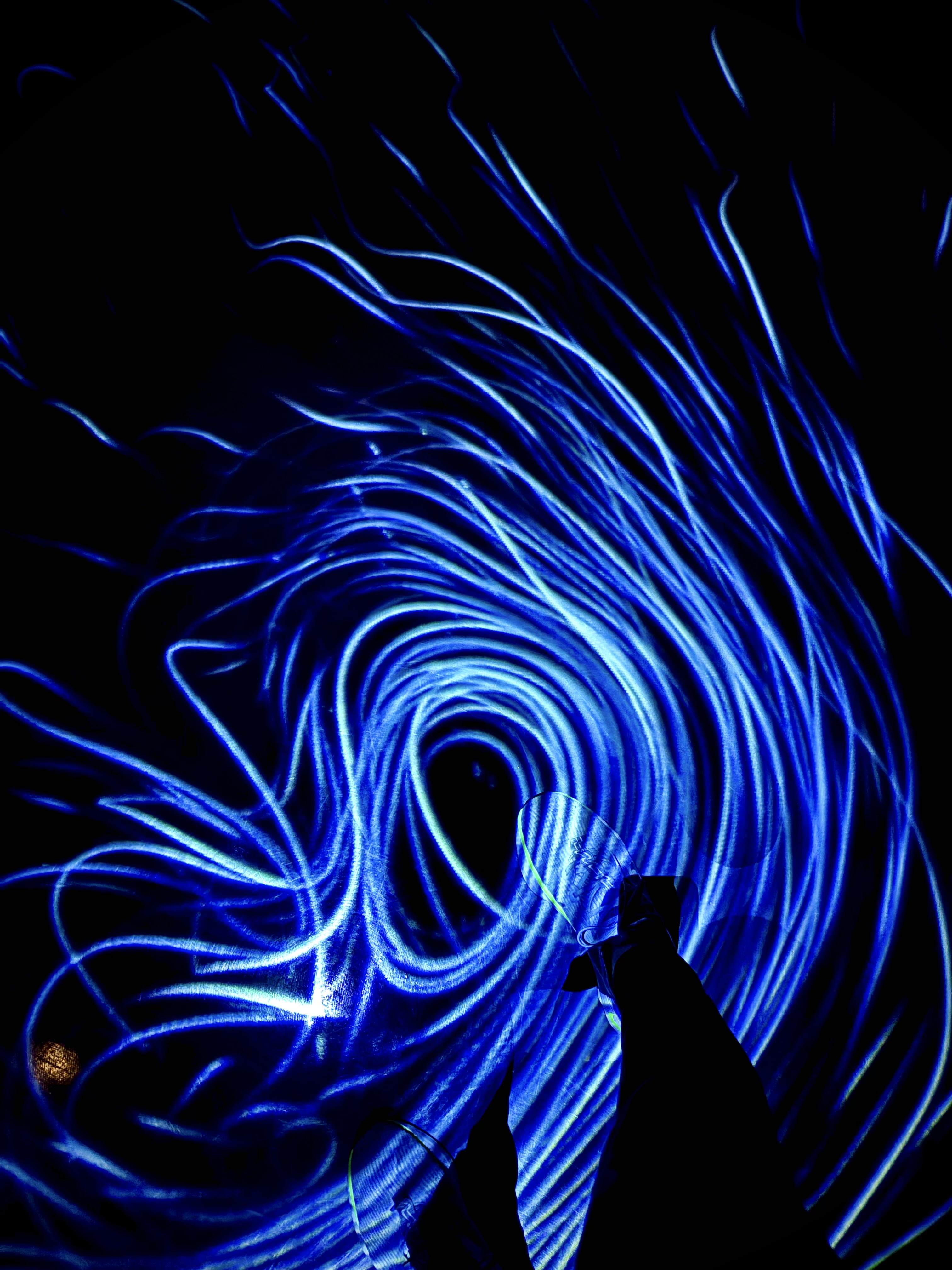
teamLab Borderless was one of the most memorable things we did all week: a museum of digital art where rooms of light, flowers and water flow around you and react as you move. It held everyone's attention, from the youngest to the adults. It has moved since it first opened in Odaiba: it's now in Azabudai Hills, near Kamiyacho station. Tickets are timed, priced by date and sell out, so book ahead on teamLab's official site (adult tickets started at around ¥3,600 to ¥4,000 when we checked in November 2026, and children pay less).
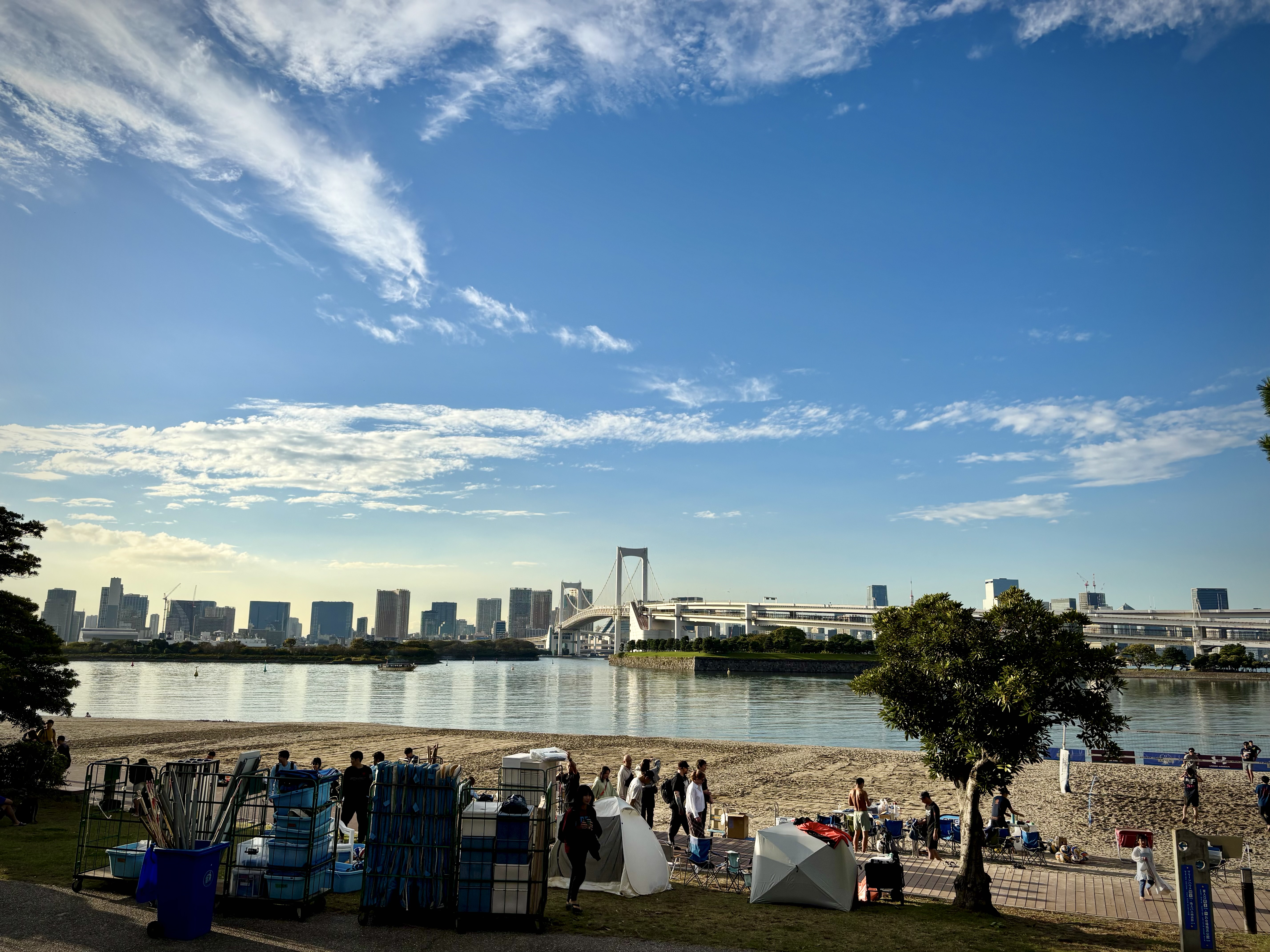
Afterwards we had dinner at a katsu restaurant (crispy breaded cutlets, an easy win with kids) and headed to Odaiba on the waterfront. The little beach there has great views of the Rainbow Bridge, and there are big shopping malls to wander. It was the perfect slower end to a busy day.
Day 5: a free day for shopping and favourites
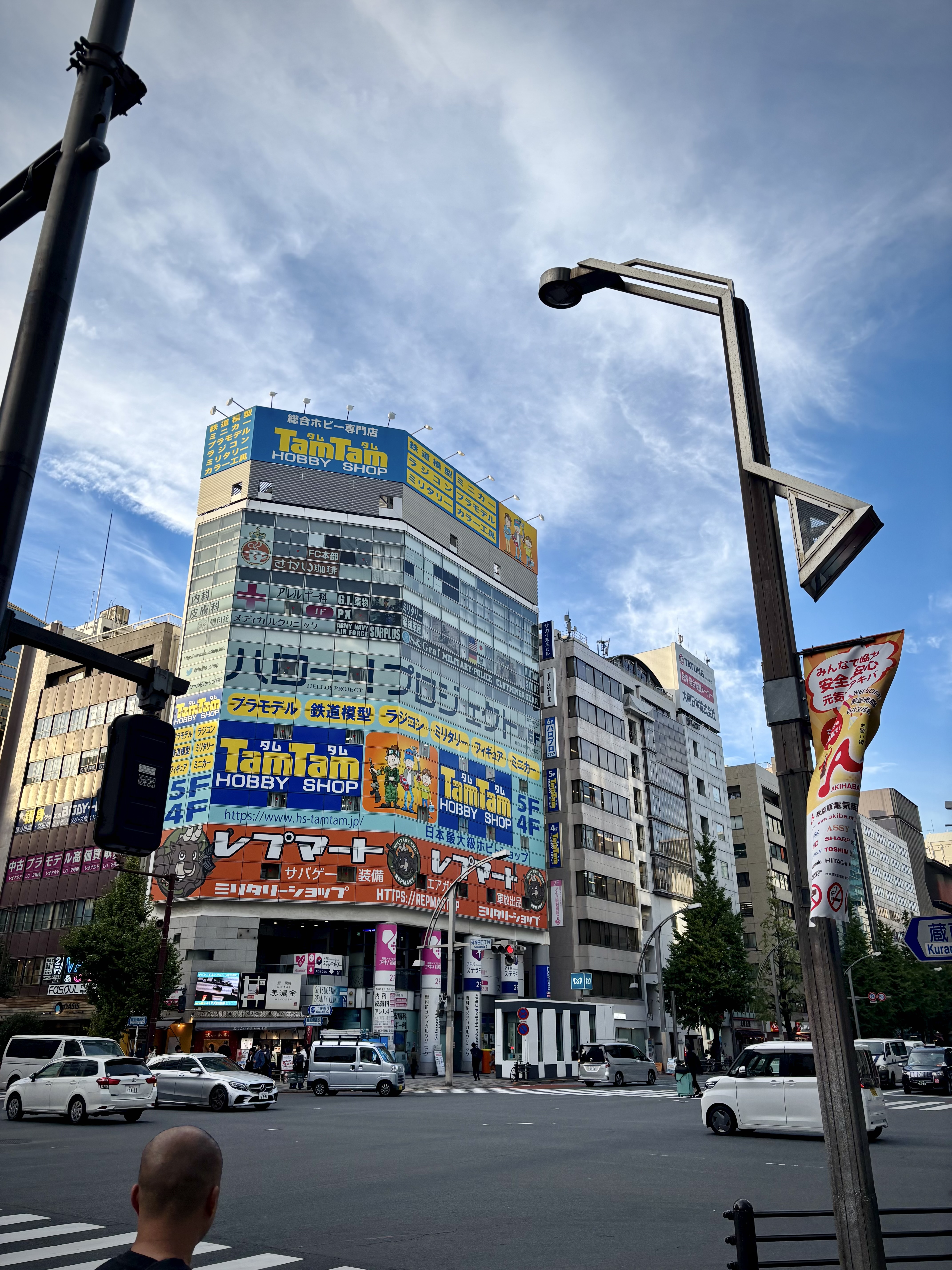
Leave one day unplanned. By day five you'll know what you want more of, and you won't feel rushed. Our kids went straight back to Akihabara for more Pokémon cards and games, and we returned to Shibuya, where I bought a new guitar at the Fender flagship store (a personal highlight). Japanese cosmetics and beauty shops are also well worth a browse.
We found shopping in Tokyo surprisingly affordable. Many shops offer tax-free shopping to visitors with a passport; see the tips below, because how it works changed in November 2026.
Day 6: Tokyo DisneySea
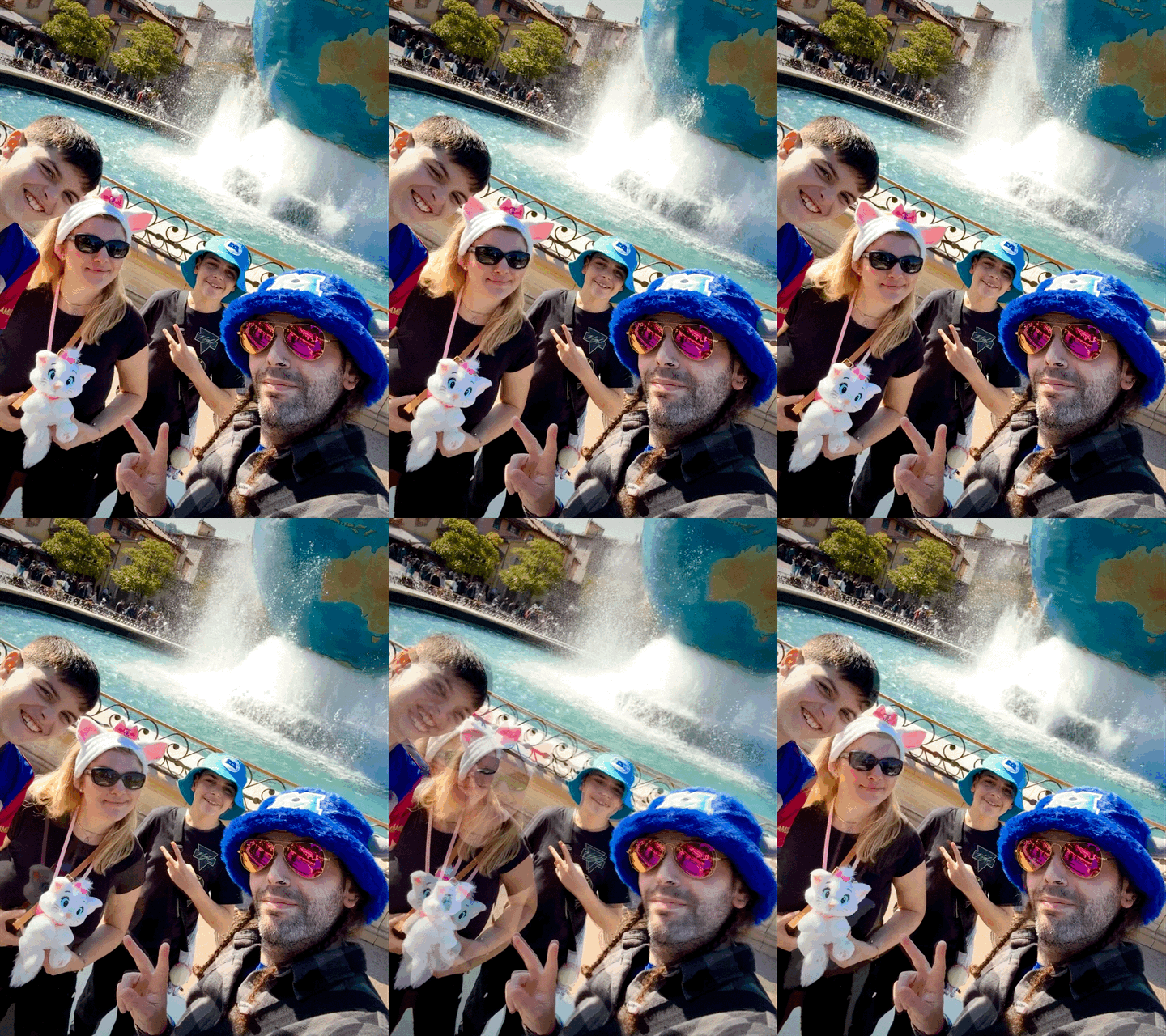
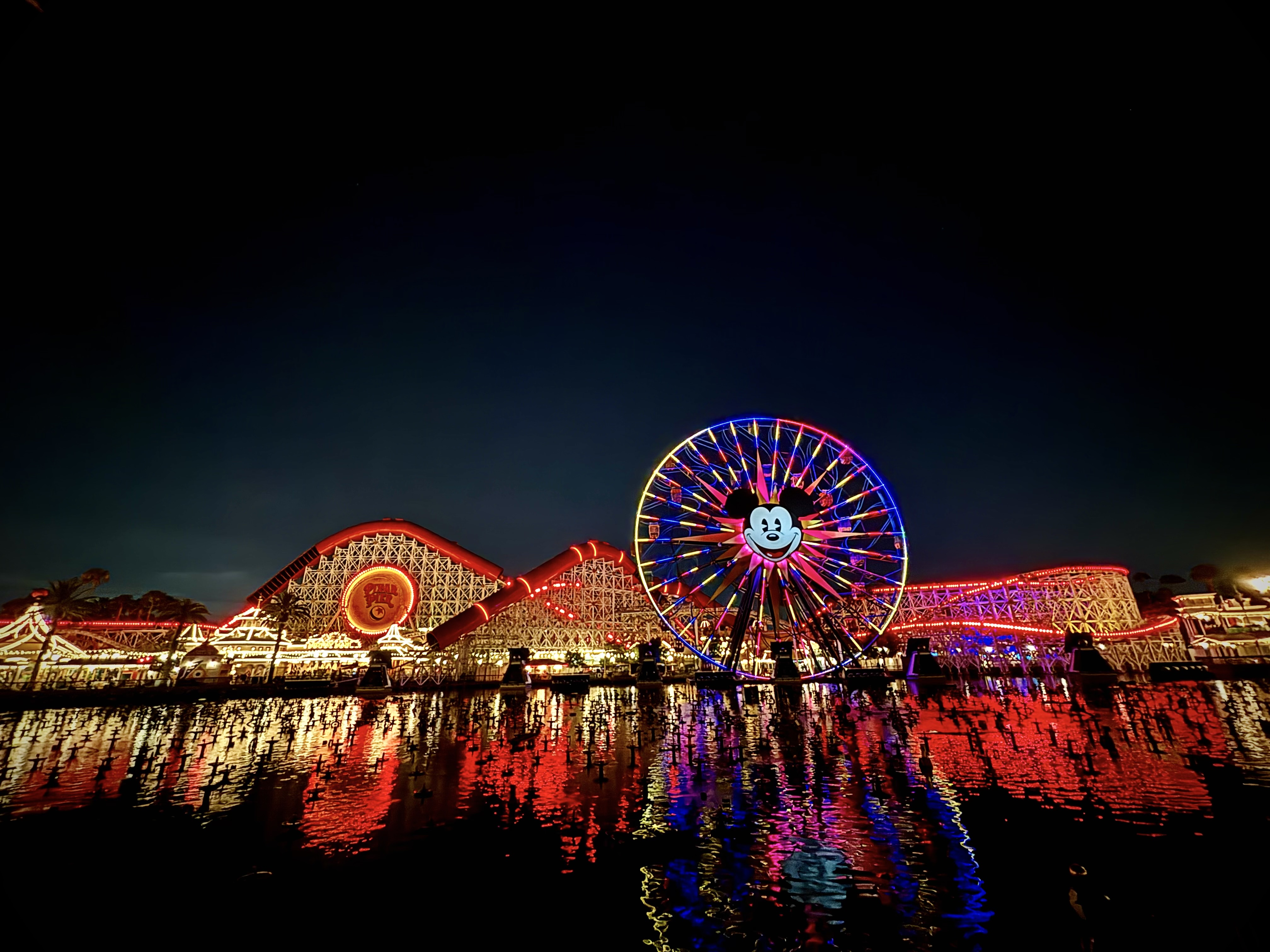
Save DisneySea for last. It's unlike any other Disney park, with a nautical theme, a volcano and lands built around harbours and lagoons, and its newest area, Fantasy Springs, has rides you can't do anywhere else, including Tangled and Peter Pan. We loved both.
Our DisneySea day fell on a Japanese public holiday, and it showed: the crowds were intense and some paid ride passes had sold out by 9:30am. The evening show was also cancelled because of wind, which can happen at this waterfront park. Our advice: avoid holidays and weekends for this one, arrive before opening, and have a back-up plan for the evening.
Tokyo Disney tips: tickets, crowds and paid passes
Buy your tickets before you go. Tickets are for a specific park on a specific date, priced by how busy the day is expected to be, and they can sell out. When we checked in November 2026, an adult 1-Day Passport cost from about ¥7,900 on the quietest days to ¥12,400 on the busiest, with lower prices for juniors (12 to 17) and children (4 to 11). The official Tokyo Disney Resort calendar shows each day's price.
Download the Tokyo Disney Resort app before your first park day: it's how you check wait times, order food and buy Disney Premier Access, a paid pass for a timed slot on selected rides. Premier Access costs extra per person per ride and is sold on the day, so on busy days the popular rides go early.
Check Japan's public holidays when choosing your Disney days. Golden Week (late April to early May), mid-August and school holiday weekends are the busiest times; early November also has a public holiday on the 3rd.
Eating in Tokyo with kids
Food was one of the easiest parts of the trip. Grill-your-own yakiniku and crispy katsu were our family favourites, and ramen, sushi on conveyor belts and department store food halls are good bets too. Many restaurants have picture menus or plastic food displays in the window, which makes ordering easy even without Japanese.
Convenience stores (7-Eleven, Lawson, FamilyMart) are a lifesaver for breakfasts, snacks and drinks, and their ATMs take foreign cards. Cards are widely accepted, but carry some cash for smaller places. One tip: public bins are rare, so carry a small bag for your rubbish.
Shopping and the new tax-free rules
Since 1 November 2026, tax-free shopping in Japan works as a refund. You now pay the full price, including Japan's consumption tax, and claim the tax back when you leave: you show the goods (and your passport) at customs at the airport before you check in, and the refund comes afterwards.
So keep your tax-free purchases unused and in your hand luggage or ready to show, keep the receipts, and allow extra time at the airport on your way home, as queues are likely while the new system beds in. Shops still need your passport at the till, so carry it on shopping days.
When is the best time to visit Tokyo with kids?
We went at the end of October and into early November, and the weather was ideal for walking: mild, mostly sunny days, Halloween at Disney and autumn colours starting. Spring is the other favourite, especially cherry blossom season from late March to early April, though it's also very busy.
Summer is hot and humid, with a rainy season from roughly June to mid-July, which makes long days at the parks hard work for children. Winter is cold but often clear and dry, and quieter outside the New Year holidays.
If you have more time: Kyoto and day trips
Kyoto is the one we didn't get to this time, and it's top of our list for next time. The Nozomi bullet train gets there from Tokyo in about 2 hours 15 minutes (around ¥14,000 one way for an adult reserved seat when we checked in November 2026; children travel for about half). It's worth two nights rather than a day trip: the thousands of red gates at Fushimi Inari, the Arashiyama bamboo grove and the golden Kinkaku-ji temple, with the friendly deer of Nara an easy half-day from there.
Closer to Tokyo, Hakone makes a great day or overnight trip for views of Mount Fuji, with a ropeway over steaming volcanic valleys and a pirate-ship cruise on Lake Ashi; Fuji is most often clear on crisp winter mornings. Yokohama is under an hour away, and children love the Cup Noodles Museum there, where they design and fill their own cup of noodles. Kamakura, with its giant bronze Buddha and beaches, pairs well with it.
Pokémon fans should know about PokéPark KANTO, the first permanent Pokémon theme park, which opened in February 2026 inside Yomiuriland on the western edge of Tokyo. Tickets are for set dates and sold in advance, so check the official site well before you go.
How many days do you need in Tokyo with kids?
A week is ideal. It gives you two Disney days, four days in the city at a relaxed pace and a free day, as in our plan above. With five days, we'd keep one Disney park, Asakusa, Harajuku and Shibuya, and teamLab. With ten days or more, add two nights in Kyoto (see above). Remember that the flight from the UK takes most of a day each way, and the first evening is best kept easy.
Tokyo Disneyland or DisneySea: which should you choose?
If you can only do one, choose by age. Tokyo Disneyland suits younger children best, with classic rides, characters and parades. DisneySea is more grown-up and more unusual, and its Fantasy Springs rides are unique to Tokyo, so it's the one we'd pick for older kids and Disney fans who've been to other parks. Ideally, do both.
Is Tokyo expensive for families?
Less than you might think. Everyday food, transport and shopping felt good value to us, especially compared with London. The big costs are the flights, the hotel, park tickets and extras like Premier Access and teamLab, so book those early and budget for them, and the rest of the week can be surprisingly affordable.
Tokyo gave our family everything at once: temples and shrines, Disney magic, art we'd never seen before and shopping the kids still talk about. With the days grouped by area, a base that suits your plans and Disney tickets booked ahead, it's a surprisingly easy city to do with children.
If you're planning your own trip, read the full story of our week in Tokyo and our Hilton Tokyo Bay review. We'd go back in a heartbeat.


Comments
No comments yet. Be the first to share your thoughts!